Pushing and pulling film
So you're used to putting a film stock into your camera and setting the ISO dial to match it. 100 ISO film, 100 ISO on the camera.
But what if you don't do this? What if you did this on purpose?
This is called "pushing" and "pulling" film; where you shoot a film at an ISO different to the one written on its box.
Film ISO is really a recommendation from the manufacturer as to where they think that film stock performs best, but that doesn't mean it can only be shot at that speed. You can take an ISO 100 film, set your camera to ISO 200, develop the roll of film as if it was ISO 200 film, and it will work. However it will look different!
Pushing
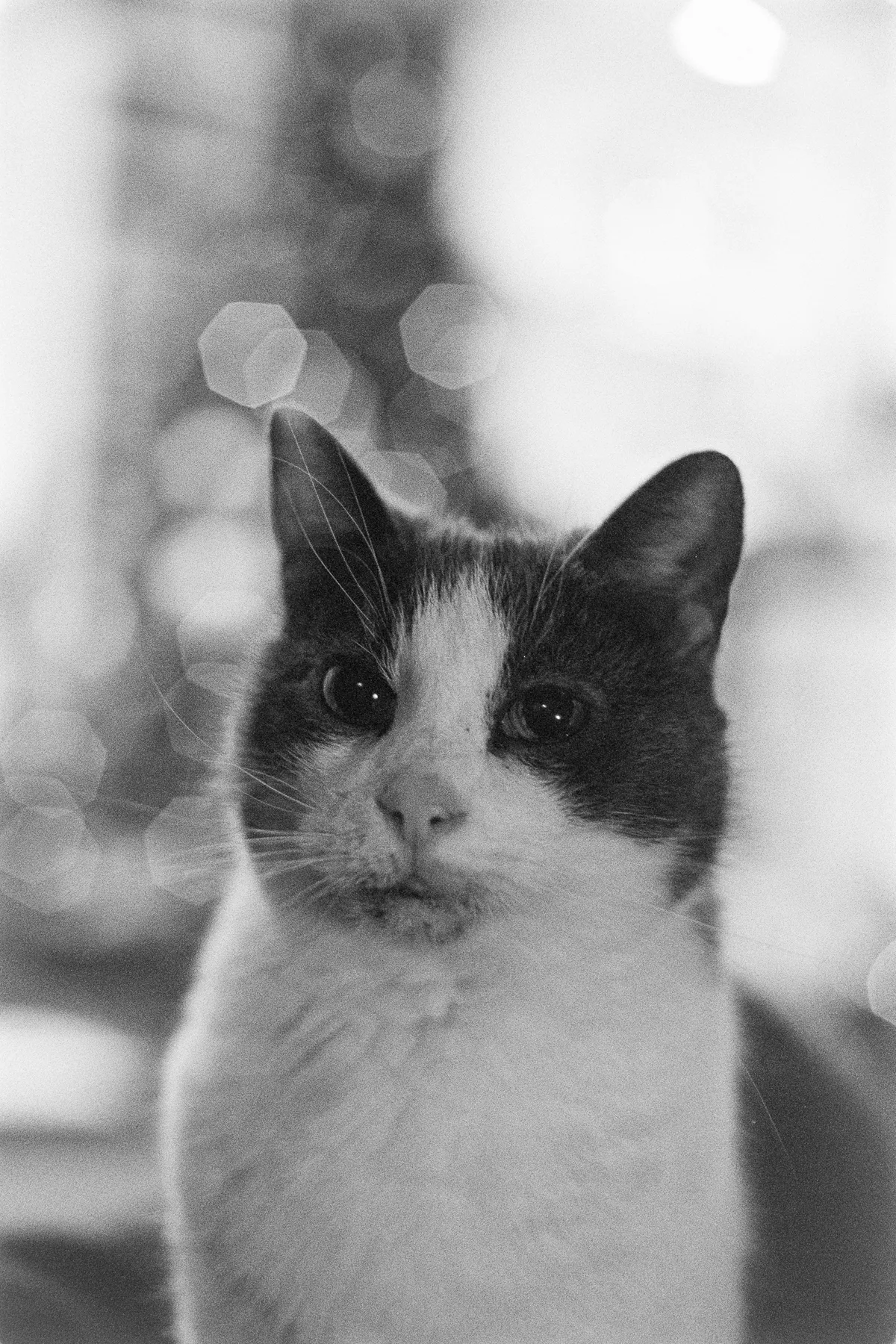 Ilford HP5+ pushed to 1600
Pushing film is where you shoot the film at a higher ISO than its "box speed", e.g. shooting 100 ISO film at 200 ISO. This is very common as there are some films that respond well to this process, and it allows you to shoot in low light.
A very common example is Ilford HP5+. This is an ISO 400 film, but it can very easily be shot at ISO 800 and ISO 1600; it performs very well, with only a minor increase in grain as the ISO increases and a moderate increase in contrast (shadows go darker, highlights go brighter).
Kodak Tri-X is already a very contrasty monochrome film but pushed to 1600 it's even more so. Worth experimenting if you like your film to have character!
Pulling
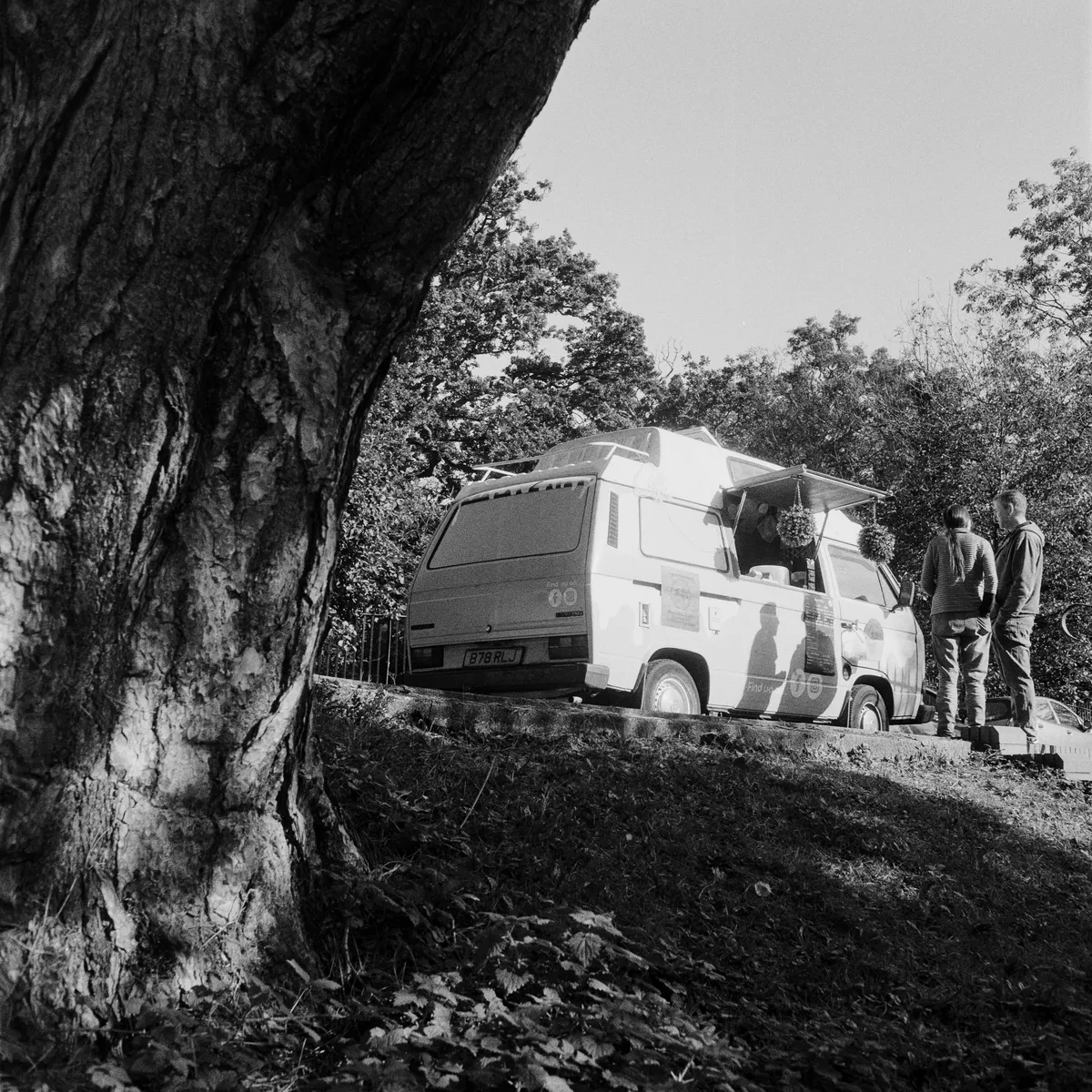 Ilford Delta 3200 pulled to 800, Rolleiflex T
Pulling film is less common, in my experience, as there's usually better options available with slower ISOs and fewer high ISO films available in general. But there are some situations where it's useful!
I've personally only pulled Ilford Delta 3200, because it was one of only two rolls of film I had on me and the weather was brighter than I expected. I pulled it down to 800 speed, instead of pushing the HP5+ roll from 400 to 800, mostly out of curiosity. And it performed really well - it was grainier than the HP5+ would have been, but I think resulted in a really nice range of contrast and reduced grain than Delta 3200 usually shows.
Processing
Make sure to tell your lab when you push/pull your film, as they need to adjust the processing times when developing it. I usually carry a permanent marker around with me and write what I did on the exposed film, because I'll inevitably forget.
The Downsides (or upsides, depending on what you're going for)
Pushing monochrome film will usually increase its contrast and you may lose highlight and shadow detail. Pushing colour film will usually make the exposure latitude a bit weaker and you'll be more likely to get colour shifting.
Tip: look on the film canister
Ilford film canisters usually feature a little grid with some commonly-used speeds, allowing you to put a little X on the one you used as a reminder. This is a great guide as to what speeds the film will take as well, though not exhaustive!
Summary
In my use I find pushed HP5+ very handy. It's an extremely flexible film and there's no off-the-shelf stocks rated at 1600 at the moment, so it fills a gap that I find very useful.
As for other stocks, I don't often feel the need to push or pull them, but it can definitely be fun to experiment.